
The extruder originated in the 18th century. The manual piston extruder manufactured by Joseph Bramah (England) in 1795 for seamless lead pipe is considered the first extruder in the world. From then on, during the first 50 years of the 19th century, extruders were basically only used in the production of lead pipes, macaroni and other food processing, brick and ceramic industries. In the process of development as a manufacturing method, R. Brooman applied for a patent in 1845 for the production of Guttberg glue wires by extruder for the first time. Goodpool’s H. Bewlgy subsequently improved the extruder and used it in 1851 to coat the copper wire of the first submarine cable between Dover and Clais. In 1879, British M. Gray obtained the first patent for Archimedes spiral screw extruder. Over the next 25 years, extrusion methods became more and more important, and electric-operated extruders quickly replaced the traditional manual extruders. In 1935, Paul Troestar, a German machinery manufacturer, produced an extruder for thermoplastics. In 1939, they developed the plastic extruder to a stage of modern single screw extruder.
You may also like

Acceptance will be carried out today! Due to the epidemic situation, we carried out simulation acceptance on behalf of Party A.Thank you […]
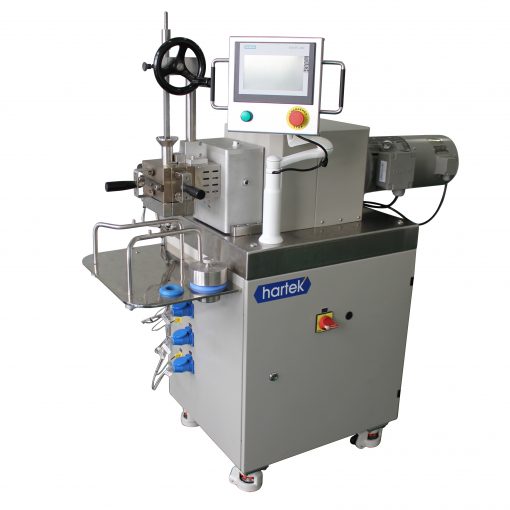
Treatment methods for unstable current of main engine of plastic extruder: (1) Check the feeder to troubleshoot. (2) Repair the main motor […]
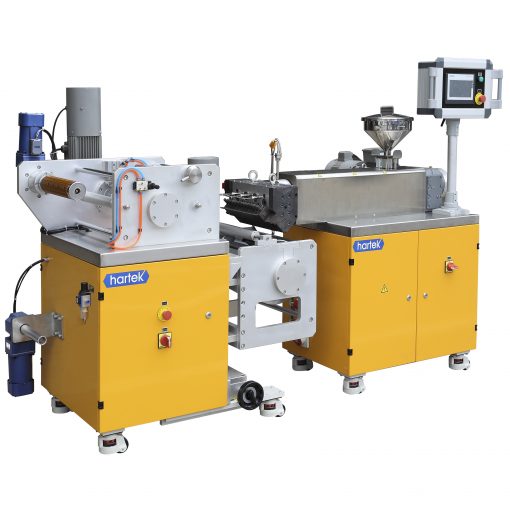


2018 hot new lab extruder We are a leading manufacturer&exporter. Main product include:lab single screw extruder,lab twin screw extruder,lab banbury mixer,lab sheet […]
According to the feeding mode, it can be divided into cold feed extruder and hot feed extruder. Hot-fed rubber extruders are mostly […]